Source Chrome Shower Arm for Bathrooms, Showers, and Spas
Compare 30 chrome shower arm options from verified suppliers in China. Buyers can evaluate stainless steel materials, chrome finishes, and customization features for residential and commercial projects. These products offer various lengths, diameters, and surface treatments to meet specific plumbing needs while ensuring durability and aesthetic appeal for modern bathroom designs.
Key considerations
Products List




Comprehensive Sourcing Guide
Chrome Shower Arm Sourcing Guide
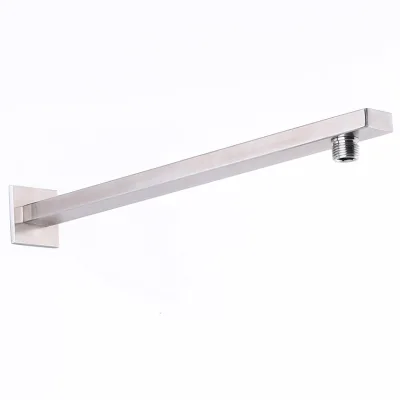
Sourcing chrome shower arms requires a disciplined approach to balancing aesthetic consistency with functional durability. Buyers must recognize that "chrome" is often a surface finish applied over various base materials, meaning the underlying substrate dictates long-term performance. The observed market signals indicate a wide range of options, from simple single-function units to complex multi-function sets, all sharing a common visual language. This guide provides a structured framework for evaluating these products, ensuring that procurement decisions are based on verified technical data rather than superficial appearance.
The procurement process begins with defining the specific application requirements, whether for residential renovations or commercial hospitality projects. The observed listings reveal significant variation in model numbers, lengths, and packaging standards, which directly impacts logistics and installation complexity. By focusing on core attributes such as material composition, finish quality, and connection standards, buyers can filter out inconsistent suppliers. This guide outlines the critical verification steps needed to secure a reliable supply chain for chrome-finished plumbing components that meet both design intent and operational demands.
Product Scope and Observed Listing Signals
The current market landscape for chrome shower arms displays a diverse array of product configurations, ranging from basic single-handle fixtures to elaborate shower sets with multiple functions. Observed listings highlight models such as the SA-21 and JK932, which vary significantly in their stated dimensions and packaging methods. Some products are described with lengths between 30-50cm, while others specify exact measurements like 397mm or 20cm. This variability necessitates careful review of technical drawings to ensure compatibility with existing plumbing infrastructure, as mismatched lengths or connection types can lead to costly installation errors and project delays.
Packaging and origin data further illustrate the fragmented nature of this supply segment. Products originate from key manufacturing hubs like Shenzhen and Ningbo, with packaging ranging from simple plastic bags to robust white boxes or bubble-wrapped cartons. The presence of OEM and ODM capabilities suggests that many suppliers are prepared to customize designs, but this also introduces variability in quality control. Buyers must scrutinize these listing details to understand the true scope of the offering, distinguishing between standard off-the-shelf items and bespoke solutions that may require longer lead times and more rigorous specification alignment.
Technical Specifications to Verify
Material composition is the most critical technical factor, as the base metal determines corrosion resistance and structural integrity. Observed data indicates the use of stainless steel grades such as S.S201 and S.S304, as well as brass, each offering different performance characteristics. S.S304 is generally preferred for its superior corrosion resistance, while S.S201 may be a cost-effective alternative with slightly lower durability. Buyers must verify the exact alloy grade specified in the contract, as visual chrome plating can mask underlying material differences. Additionally, wall thickness specifications, such as 0.8-1.0mm, should be confirmed to ensure the arm can withstand mechanical stress without deformation.
Surface treatment and dimensional accuracy are equally vital for ensuring a premium finish and proper fit. The chrome finish is often achieved through electroplating, with some listings noting additional treatments like polishing or gold/black variations. It is essential to verify the thickness and uniformity of the chrome layer, as thin plating can peel or tarnish over time. Dimensional verification should include the diameter, typically around 22mm, and the overall length, which must align with the shower head and wall bracket specifications. Confirming these precise measurements prevents installation issues and ensures the final product meets the intended aesthetic and functional standards.
Compliance and Safety Documentation
Regulatory compliance is non-negotiable for plumbing components entering international markets, particularly in regions with strict environmental and safety standards. Observed listings mention certifications such as RoHS and ISO9001, which indicate adherence to hazardous substance restrictions and quality management systems. Buyers must request valid, up-to-date certificates from accredited bodies to verify these claims. RoHS compliance is particularly important for ensuring that the chrome plating and underlying materials do not contain excessive levels of lead, mercury, or other restricted substances, protecting both the end-user and the brand’s reputation.
Beyond basic certifications, buyers should inquire about specific performance standards relevant to the target export markets. While some general standards like SGS are referenced, specific plumbing standards such as ASTM or EN norms may apply depending on the destination. It is crucial to confirm whether the supplier has conducted water pressure tests, salt spray tests for corrosion resistance, and leak tests. These tests provide objective evidence of product reliability. Buyers should require test reports or third-party verification to ensure that the chrome shower arms can withstand the rigors of daily use without failing prematurely or causing water damage.
Cost Drivers and Commercial Terms
Pricing in the chrome shower arm market is influenced by material costs, finish quality, and order volume. Observed price ranges vary widely, reflecting differences in base material grades and plating thickness. Buyers must understand that lower prices may correlate with thinner chrome layers or lower-grade stainless steel, which can compromise longevity. The minimum order quantity (MOQ) also plays a significant role, with observed ranges from 50 to 5000 units. Larger orders typically secure better unit prices, but buyers must balance this with inventory holding costs and cash flow implications to avoid overstocking slow-moving SKUs.
Commercial terms and logistics details significantly impact the total landed cost. Observed data indicates EXW price terms, meaning buyers are responsible for all shipping and insurance costs from the supplier’s facility. Shipping methods like DHL, FedEx, or sea freight offer different trade-offs between speed and cost. Lead times of 10-20 days are common, but this can vary based on customization requirements and production capacity. Buyers should negotiate clear delivery schedules and clarify who bears the risk during transit. Understanding these commercial nuances allows for accurate budgeting and prevents unexpected expenses from eroding profit margins.
Supplier Qualification and Quality Control
Supplier qualification requires a thorough assessment of manufacturing capabilities and quality assurance processes. Buyers should verify the supplier’s production facilities, focusing on their plating lines and testing equipment. The presence of OEM/ODM services suggests flexibility, but it also requires robust engineering support to ensure design feasibility. It is advisable to conduct factory audits or request detailed process flowcharts to understand how quality is maintained at each stage, from material cutting to final packaging. Suppliers with established ISO9001 systems are generally more reliable, but buyers must confirm that these systems are actively implemented and not just certificate holders.
Quality control protocols must be clearly defined before production begins. Buyers should specify acceptance criteria for visual defects, such as scratches, pits, or uneven plating, which are common issues in chrome finishes. Implementing a pre-shipment inspection is crucial to catch defects before goods leave the factory. Defining clear rejection rates and remediation procedures ensures that substandard products do not reach the customer. Additionally, buyers should establish a communication channel for addressing any quality issues that arise post-delivery, ensuring a responsive and accountable supply chain relationship.
Long-Term Procurement Checks
Long-term success in sourcing chrome shower arms depends on continuous monitoring of product performance and supplier reliability. Buyers should track warranty claims and customer feedback to identify recurring issues, such as plating peeling or connection leaks. This data provides valuable insights into the true durability of the products and helps in making informed decisions about future orders. Establishing a feedback loop with end-users allows for proactive improvements and ensures that the product meets evolving market expectations. Regular performance reviews help maintain high standards and prevent quality drift over time.
Relationship management with suppliers is equally important for securing consistent supply and favorable terms. Building a partnership based on transparency and mutual benefit encourages suppliers to prioritize orders and offer better support. Regular communication about market trends, material cost fluctuations, and new product developments keeps both parties aligned. Buyers should also diversify their supplier base to mitigate risks associated with single-source dependencies. By maintaining a strategic approach to supplier management, buyers can ensure a stable supply of high-quality chrome shower arms that support their brand’s reputation and customer satisfaction.
FAQs
What materials are used for chrome shower arms?
Chrome shower arms are typically manufactured from stainless steel, including grades S.S201 and S.S304, or brass. These materials provide durability and resistance to corrosion. The surface undergoes chrome plating or polishing to achieve a shiny, reflective finish that complements modern bathroom aesthetics while ensuring long-term structural integrity.
Can I customize the length of a chrome shower arm?
Yes, customization is available for chrome shower arms. Standard lengths often range from 30 to 50 cm, but manufacturers can produce custom sizes to fit specific installation requirements. This flexibility allows buyers to select the exact dimensions needed for their bathroom layout, ensuring a perfect fit for various shower head configurations.
What certifications do chrome shower arms typically have?
Chrome shower arms commonly hold certifications such as SGS, ISO9001, and RoHS. These standards verify quality management systems and environmental safety compliance. Buyers can rely on these certifications to ensure the products meet international regulatory requirements for material safety and manufacturing consistency, providing confidence in the supplier's quality control processes.
What is the typical MOQ for chrome shower arms?
The minimum order quantity for chrome shower arms generally starts at 10 pieces, though some suppliers may require up to 5000 units. This range accommodates both small trial orders and large bulk purchases. Buyers should confirm specific MOQs with manufacturers, as requirements can vary based on customization needs and production capacity.
How long is the delivery time for chrome shower arms?
Delivery times for chrome shower arms typically range from 10 to 20 days after order confirmation. This lead time accounts for production, quality checks, and packaging. Buyers should factor in shipping duration via carriers like DHL or FedEx when planning inventory, as transit times vary by destination and selected logistics method.
Where are chrome shower arms primarily manufactured?
Chrome shower arms are primarily manufactured in industrial hubs such as Shenzhen, Guangdong, and Ningbo in China. These regions offer established supply chains for stainless steel and brass processing. Buyers sourcing from these locations benefit from concentrated manufacturing expertise and efficient logistics networks that support global export markets including Western Europe and North America.